Latest News Updates

img
14 February 2026
PRESIDENT MUSEVENI URGES NRM CHAIRPERSONS TO PROMOTE WEALTH CREATION, ACCOUNTABILITY AND SERVICE DELIVERY

President Yoweri Kaguta Museveni yesterday evening met with the National Resistance Movement (NRM) Chairpersons for districts, cities, municipalities, and divisions at State House Entebbe. During the meeting, President Museveni, who is also the National Chairman of the NRM, congratulated the leaders upon their victory in the recently concluded elections. The President also noted that he detected greater national cohesion in the recent elections compared to previous cycles, likening it to the unity witnessed during the 1996 elections, where, he noted, the population strongly rallied behind the NRM due to its problem-solving approach. He explained that this cohesion was built on what he described as “okukyenura” — leadership that responds to people’s needs — citing the restoration of security through a disciplined army and the stabilization of essential commodities such as sugar in the early years of NRM governance. The President said that after 1996, new challenges such as household poverty became more visible, prompting the introduction of revolving funds at sub-county level in 1997 to support wealth creation. He noted that subsequent interventions, such as NAADS were rolled out to distribute seedlings and boost agricultural productivity, though a significant percentage of the population remained outside the money economy. This, he said, led to the introduction of the Parish Development Model (PDM), designed to send funds directly to beneficiaries and empower parish committees to determine allocation transparently. He observed that PDM is performing well in some districts and more funding will be added to enhance its impact, thus urging party leaders to closely monitor its implementation. On education, President Museveni said the NRM foresaw a looming crisis and introduced free education to expand access, but expressed concern over what he termed as sabotage by some teachers, as well as insufficient oversight by leaders. He also raised concerns about corruption, particularly within some District Service Commissions accused of selling jobs, cases of land grabbing, and theft of medicines from government health facilities. He urged NRM leaders to intensify supervision and ensure accountability. The President further criticized poor road maintenance and substandard works, attributing part of the problem to weak budgeting priorities, including the creation of new districts and municipalities at the expense of services that directly benefit the masses. On job creation, President Museveni emphasized agriculture as the primary source of employment, with manufacturing and services generating higher-value jobs. He pledged that in the coming term, he will produce more literature focused on addressing the needs of the masses and consolidating socio-economic transformation. He stressed that beyond programs such as PDM and Emyooga, there is a need to strengthen the private sector through affordable financing, particularly via the Uganda Development Bank (UDB), to enable enterprises to expand. President Museveni added that once production challenges are resolved, attention must shift to markets, noting that local consumers are the first buyers. Increasing household incomes, he said, will stimulate demand for products such as milk, cement and steel, eventually necessitating expansion into regional markets. The NRM Deputy Secretary General, Hon. Rose Namayanja, congratulated President Museveni on what she described as a landslide presidential victory, saying it reflects the NRM’s commitment to visionary leadership and service delivery. The NRM Chairperson for Gulu District, Mr. Christopher Ochen, thanked the President for empowering party structures to effectively campaign during the elections, which he said contributed significantly to the overwhelming support. He requested that district chairpersons be incorporated into District Executive Committees to enhance their capacity to supervise government programs. Mr. JB Wamala Ssalongo, NRM Chairperson for Mukono Municipality, appealed for municipality and city chairpersons to be represented on the National Executive Committee, similar to their district counterparts, to ensure inclusive participation in party decision-making.

img
13 February 2026
PRESIDENT MUSEVENI MEETS SUDAN’S SOVEREIGNTY COUNCIL DEPUTY CHAIRMAN MALIK AGAR

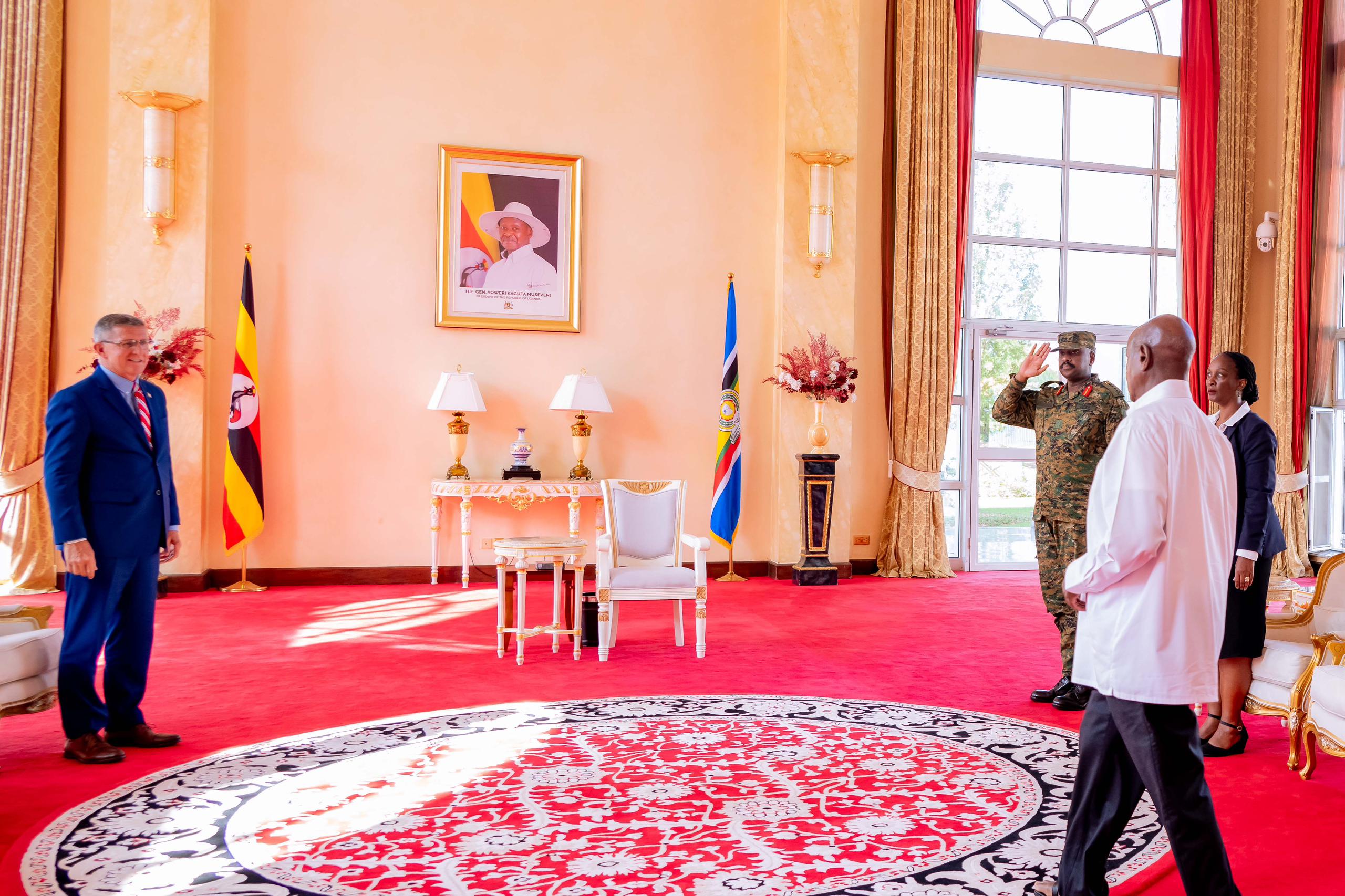
President Yoweri Kaguta Museveni has today met and held fruitful discussions with H.E. Malik Agar, the Deputy Chairman of the Transitional Sovereignty Council of Sudan, at State House Entebbe. During the meeting, H.E. Agar briefed President Museveni on the current situation in Sudan. He updated him on the security, political developments and the challenges the country is facing, as well as the efforts being made to restore stability. President Museveni welcomed the briefing and emphasized the importance of dialogue and regional cooperation in resolving the conflict. He noted that peace in Sudan is important not only for the Sudanese people but also for the stability of the region.

img
12 February 2026
PRESIDENT MUSEVENI MEETS MTN UGANDA LEADERSHIP, DISCUSS ROLE OF TELECOMMUNICATIONS AND FINTECH IN NATIONAL DEVELOPMENT

President Yoweri Kaguta Museveni has today received the Chairman of MTN Uganda Board of Directors, Mr. Charles Mbire, the Chief Executive Officer, Ms. Sylvia Mulinge, and the General Manager Corporate Services, Ms. Enid Edroma, at State House, Entebbe. The meeting focused on the strategic role of the telecommunications sector in advancing Uganda’s socio-economic transformation, promoting innovation, and enhancing service delivery across the country. Discussions also highlighted the critical contribution of digital connectivity and fintech platforms in supporting government priorities, particularly in expanding access to financial services, improving efficiency in public service delivery, and enabling economic participation at the grassroots level. The President commended MTN Uganda for its continued investment and contribution to national development, noting the importance of telecommunications and digital financial services as key enablers of Uganda’s broader transformation agenda. He expressed satisfaction with the effective utilisation of telecom and fintech infrastructure in supporting socio-economic progress and reaffirmed the government's commitment to supporting efforts that strengthen digital inclusion, innovation, and connectivity for all Ugandans. On their part, the MTN Uganda delegation commended President Museveni and the NRM government for creating an enabling investment climate that has enabled companies such as MTN to thrive.

img
07 February 2026
UGANDA, TANZANIA DEEPEN COOPERATION ON ENERGY, TRADE AND REGIONAL PEACE

Uganda and Tanzania have agreed to strengthen cooperation in energy development, trade facilitation, infrastructure and regional peace following high-level talks held today in Dar es Salaam. The arrangements were announced today during a joint press briefing by President Yoweri Kaguta Museveni and his host, President Samia Suluhu Hassan, after bilateral discussions between delegations from the two countries. President Samia said the two leaders reviewed progress on major energy infrastructure projects, including the construction of oil and gas pipelines linking Uganda and Tanzania. She revealed that implementation of the East African Crude Oil Pipeline (EACOP) Project is on course, with oil transportation expected to commence in July. H.E Samia explained that the cooperation includes plans for a gas pipeline from Tanzania to Uganda, as well as a refined oil pipeline from Uganda to the Tanzanian port of Tanga, positioning Tanzania as a key export corridor for Uganda’s petroleum products. On trade and logistics, President Samia said discussions focused on improving access for Ugandan traders to Tanzanian ports, particularly Tanga and Dar es Salaam, to ease the transportation of goods. She added that Tanzania had been requested to extend railway connectivity deeper into Uganda to facilitate smoother and more cost-effective movement of cargo. The Tanzanian leader emphasized the need to eliminate trade barriers between the two countries, noting that while cooperation has been strong, some non-tariff barriers have persisted. She said the two sides agreed to work towards their removal, stressing that reducing barriers boosts economic growth and strengthens the East African regional market. President Samia also underscored the commitment of both countries to continue joint energy production projects aimed at meeting domestic needs while also supplying regional and international markets. On regional peace and security, she revealed that Tanzania and Uganda discussed strategies to promote peace and stability in the Great Lakes Region, adding that there is a shared plan to initiate dialogue processes aimed at resolving conflicts in the region. President Samia also warmly welcomed President Museveni to Tanzania, describing the country as his home. She congratulated him and the National Resistance Movement (NRM) on their landslide electoral victory, attributing it to the party’s manifesto and ideological clarity, and reaffirmed Tanzania’s readiness to continue working closely with Uganda. In his remarks, President Museveni said Africa’s independence, achieved by earlier generations of leaders, must be protected. He noted that true prosperity in the modern era comes from producing goods and services, selling them competitively and generating income for citizens, which he described as a continuation of Africa’s liberation struggle. President Museveni also highlighted the importance of strategic security, saying Uganda and Tanzania have addressed several tactical security issues affecting the region during their meeting. He added that the two countries discussed industrial specialization, with Tanzania taking the lead in locomotive manufacturing while Uganda focuses on textile production. The Ugandan leader observed that while powerful countries may exert pressure on African states, the continent’s response depends on its internal strength, unity and economic resilience. The two Heads of State reaffirmed their commitment to deepening bilateral relations and strengthening cooperation for the benefit of their people and the wider East African region.

img
06 February 2026
PRESIDENT MUSEVENI HAILS UPDF, OTHER SECURITY FORCES FOR ENSURING PEACE AND STABILITY DURING RECENT GENERAL ELECTIONS

President Yoweri Kaguta Museveni, also the Commander-in-Chief of the Uganda People’s Defence Forces (UPDF), has saluted the army and other security forces for ensuring peace and stability during the recent general elections. “I want to salute the UPDF and other security forces for the robust security they gave during the recent elections. They did a very good job,” he said. The President, who was accompanied by the First Lady and Minister of Education and Sports, Maama Janet Museveni, made the remarks today while officiating at the 45th Tarehe Sita Anniversary commemoration held at NTC grounds, Kabale Municipality. The event ran under the theme: “Defending the Gains of the Revolution and Honouring the Sacrifices of the Freedom Fighters: A Call for National Unity, Peace and Socio-Economic Transformation”. Tarehe Sita is a memorable day in Uganda's history that marks the 6th day of February 1981 when Uganda's Liberation War was launched with the attack on Kabamba barracks by the National Resistance Army/Movement 43 patriots armed with 27 rifles that set the country's revolutionary democratic course. President Museveni explained that some forces had planned to destabilize the election process, but security forces quickly responded, thus enabling the country to register a successful democratic exercise. “I salute the UPDF for quickly neutralising those trouble makers,” he said. “I want to thank and congratulate the people of Uganda for the recent elections which we had. I thank you the people of Kigezi and Uganda at large for voting massively for the NRM.” He also congratulated Ugandans upon reaching the 45th anniversary of Tarehe Sita. “When you talk of Tarehe Sita, you should not forget that there were earlier struggles before that which actually fed Tarehe Sita because the people who took part in the Tarehe Sita had been trained by the 28 whom we trained in Mozambique and who came and trained a bigger number in Tanzania and then a bigger number in Uganda. So, the whole struggle of the people of Uganda should be narrated in a connected way,” he urged. On the other hand, President Museveni highlighted Uganda’s economic progress, explaining that the country now targets to become a high middle-income nation. “The economy of Uganda is growing very fast. We are now a lower middle-income country, but we target to become a high middle-income country in a few years and we have the capability,” he said. He also assured the people of Kigezi that the region is likely to develop more if residents listen to his advice of wealth creation. “Here in Kigezi you will have a very strong economy around the following activities; tourism, commercial agriculture and manufacturing,” he assured. Additionally, the President confirmed expansion of Kisoro airport and plans to establish an additional international airport in Kigezi for tourism operations and another in Mbarara city for trade and business, that he says will be bigger than Entebbe International Airport. He further made an urgent call for land acquisition in Rubanda district to establish a massive iron ore factory to expedite extraction and processing of the mineral resource which has a high concentration in Kigezi sub region. The Minister of Defence and Veteran Affairs, Hon. Jacob Oboth- Oboth, on behalf of the civilian staff at the ministry, congratulated President Museveni upon his re-election as President of Uganda for another term in office. The Chief of Defence Forces (CDF), Gen. Muhoozi Kainerugaba congratulated President Museveni upon his recent landslide victory in the 2026 general elections and pledged UPDF's unwavering loyalty as he embarks on the renewed mandate granted to him by the people of Uganda. “We shall support you as you continue to uplift the people of Uganda to the upper middle-income status and as you continue to sustain the socio-economic transformation journey and achieve strategic security for the people of East Africa and the continent,” he said. Gen. Muhoozi also noted that national unity, peace and socio-economic transformation, among others, are ideals from the beginning which informed and propelled the revolution. “The firm foundation upon which the country is anchored today was made possible because of the sacrifices of our people. The responsibility now lies in all Ugandans to make sure that the gains of the revolution are secured and further built upon for the progress of Uganda, region and Africa at large,” he noted. On the matter of the current security in Uganda, Gen. Muhoozi assured that the whole country is peaceful. “Contrary to the threats that were peddled by some hostile actors in the lead up to the elections, the country has had the most peaceful and decisive elections since 1996. The electorate largely heeded our advice to vote and then go home without causing any trouble.” The UPDF Joint Staff Political Commissariat, Maj. Gen. Henry Masiko informed the President that today was the climax of the most elaborate series of defence forces activities that commenced way back in November last year. “This particular anniversary was deliberately conducted in phases to take care of the busy period of the electoral programs,” he said. During the same event, a section of distinguished army officers including the CDF were awarded with medals for their contribution to the liberation struggle and development of Uganda. Lt. Moses Odongo also emerged winner of the inaugural CDF award for the outstanding junior officer for the year 2025 and he was given Shs 10 million as well as a certificate. The event was also attended by the Vice President, H.E Jessica Alupo, the Chief Justice, His Lordship, Flavian Zeija, the Deputy Speaker, Rt. Hon. Thomas Tayebwa, 3rd Deputy Prime Minister, Rt Hon. Lukia Nakadama, Ministers, Visiting Military delegations, among other dignitaries.

img
03 February 2026
PRESIDENT MUSEVENI HOSTS AU–EAC–SADC PANEL OF FACILITATORS FOR DRC PEACE TALKS

President Yoweri Kaguta Museveni has today hosted leaders of the AU–EAC–SADC panel of facilitators of the Democratic Republic of Congo (DRC) Peace Process at State House, Entebbe. The meeting was part of the ongoing efforts to advance dialogue and stability in Eastern DRC. The high-level panel of facilitators, which is on a working visit to Uganda, was chaired by H.E. Faure Essozimna Gnassingbé, President of the Republic of Togo, and brings together former African heads of state mandated to support regional dialogue and strengthen collective efforts toward sustainable peace and stability in Eastern DRC. The panel included H. E. Olusegun Obasanjo (former President of Nigeria), H.E. Uhuru Kenyatta (former President of Kenya), H.E. Sahle-Work Zewde (former President of Ethiopia), H.E. Dr. Mokgweetsi Eric Keabetswe Masisi (former President of Botswana), and H.E. Catherine Samba-Panza (former President of the Central African Republic). During the meeting, President Museveni said the conflict in the DRC is well understood within the region and should not be allowed to persist, given its long-standing humanitarian and historical impact on neighbouring countries. “This problem is very well known to us. We currently have more than 500,000 Congolese refugees in Uganda. They are part of nearly two million refugees we host from the region.” He noted that many of the refugees come from neighbouring countries and share ethnic and cultural ties with communities in Uganda, particularly in western and South-Western parts of the country. “Many of these people are members of our own tribes, those from Congo are the same as those in western and south-Western Uganda. We know this problem very well,” he said. President Museveni also expressed concern that despite the long history of the conflict and its clearly identifiable grievances, progress toward a lasting solution has been slow. “It is a shame that it is taking so long to solve,” he said. Placing the crisis in its historical context, the President recalled earlier international debates over Congo’s future, noting that the nature of the conflict has evolved over time. “In the past, there were even discussions about breaking up Congo, the Katanga Secession and all that but luckily today, nobody is talking about breaking up Congo. What we are dealing with now are grievances,” he highlighted. He said such grievances can be addressed through sustained dialogue and a clear understanding of the realities on the ground. President Museveni further welcomed the visiting panel, led by President Gnassingbé, and thanked its members for engaging on an issue that continues to affect the entire Great Lakes region. “I thank His Excellency, the President of Togo, for coming with this delegation. We are very happy to welcome you here,” the President said. On his part, President Gnassingbé thanked President Museveni for hosting the delegation and commended Uganda’s continued commitment to regional peace and stability. “On behalf of the delegation, I would like to sincerely thank Your Excellency for the warm reception accorded to us,” President Gnassingbé said. He acknowledged President Museveni’s longstanding role in regional mediation efforts, noting that the panel values his experience and guidance in addressing complex conflicts on the continent. On the other hand, H.E Obasanjo emphasised that sustainable peace in Eastern DRC requires solutions that are rooted in Africa’s realities, warning against overreliance on externally driven approaches. “This crisis is not only about the M23. There are many grievances that have not been adequately addressed. Solutions imported from Washington, Doha, Paris, or elsewhere may be helpful, but they cannot by themselves provide a complete or lasting solution.” He said the panel had deliberately taken responsibility to pursue African-led responses to African challenges, while remaining open to constructive support from international partners. “As facilitators, we have taken it upon ourselves to find African solutions to African problems. We see President Museveni as uniquely positioned, and we are walking with him to see how these African solutions can be realised,” H.E Obasanjo said. He added that the involvement of partners outside the continent should be complementary, not dominant. “We are not pushing away those who have shown interest whether from Washington, Qatar, France, or elsewhere because they are helpful in the process we are trying to advance,” he said. He also thanked President Museveni for receiving the delegation at short notice and underscored the importance of correctly diagnosing the root causes of the DRC conflict. “The issue that has brought us together is one we are all familiar with. It is the challenge of managing or mismanaging diversity within the DRC, and the relationship between the DRC and its neighbours,” he said. “In order to solve the problem, we must diagnose it properly and administer the right medicine.” H.E Obasanjo welcomed the African Union’s leadership in the peace process, including the establishment of a joint headquarters in Addis Ababa, and reiterated the need for Africa to take ownership of its peace and security agenda. “We have taken it upon ourselves to find African solutions to African problems,” he noted. The high-level meeting was also attended by Uganda's government officials including; Ministers, Ambassador and Permanent Representative of Uganda to the United Nations, Adonia Ayebare, and former Prime Minister, Rt. Hon. Amama Mbabazi.

Latest Press Releases

Opinion Posts

author's photo
13 February 2026
THE QUALITY OF LIFE HAS IMPROVED IN UGANDA

The quality of life has improved in Uganda. Life expectancy, for the average Ugandan, has increased to 68 years. Before 1986, (the year the National Resistance Movement came to power) the average life expectancy in Uganda was 45 years. Uganda was ranked the happiest country in East Africa in the 2022 World Happiness Report, although happiness is relative. What makes you happy might not necessarily make me happy because people have different expectations in life. Nevertheless, Ugandans are building more sophisticated houses that portray a luxury lifestyle. The typical bungalow architecture, with low ceilings, boys’ quarters and hedge fences are a thing of the past. Nowadays, in Uganda’s real estate, developers are building apartment blocks, smart apartments, duplexes, double storied mansions, maisonettes and gated communities like Pearl Marina Estates, which is a lakeside city along the shores of Lake Victoria in Garuga, Entebbe. High-end apartments (whose monthly rent ranges from Shs800,000 to Shs1 million) come with amenities such as instant water heaters, rainforest showers, smart toilets, built-in wardrobes, or walk-in closets, mood lighting, pantries, washing machines, CCTV cameras for security and these apartments go fast. If you hesitate to make a deposit, a moneyed foreigner or an urban refugee just might beat you to it! Uganda is experiencing economic progress, on a scale that would be impossible without prevailing peace. The Africa Wealth Report 2025 states that as of June 2025 Uganda had 1,600 dollar millionaires and 5 centi-millionaires; what the French call the ‘nouveau riche.’ On the other side of the spectrum, in areas where successfully implemented, poverty alleviation government programmes, such as Parish Development Model (PDM) have contributed to poverty reduction. In May 2025, Uganda became Africa’s largest exporter of coffee. In January 2026 Uganda was ranked first in East Africa’s financial markets and third in Africa’s financial markets, according to the 2025 Absa Africa Financial Markets Index. Another noteworthy achievement is the International Monetary Fund (IMF) ranked Uganda the seventh fastest-growing economy in the world and the fastest-growing economy in Africa in 2025. In addition, according to the World Bank’s Global Economic Prospects, January 2026 report, Uganda is projected as one of the fastest-growing economies in sub-Saharan Africa in 2026 with a 6.4% forecasted economic real GDP growth. Peace enables socioeconomic development, creating a stable investment climate in Uganda, boosting investor confidence and increased Foreign Direct Investment (FDI), to the extent that Uganda has won international investment awards. For example, in April 2025 Uganda Investment Authority (UIA) was awarded ‘Runner-up for Best Investment Promotion Agency in Africa’ during the Annual Investment Meeting (AIM) Global Awards 2025 held at Abu Dhabi’s Emirates Palace. According to Uganda Hotel Owners Association (UHOA), Uganda now has approximately 3,800 hotels across the country. We also have many eco lodges dotted around the country and a vibrant tourism sector. In these peaceful times, Uganda has embarked on a number of ambitious building projects. Hoima City Stadium, completed in December 2025, has done us proud as a sporting nation. The 1,443 km East African Crude Oil Pipeline is 79% complete and the renovation of Nakivubo Channel is underway. Moreover, Uganda has a plethora of supermarkets, shopping malls, markets, trading centres, interior design shops, schools, health centres, hospitals, industrial parks, like Kapeeka Industrial Park; factories, roads, expressways and flyovers are being constructed countrywide on the national road network. Popular shopping malls in Kampala include: Garden City, Oasis Mall, Acacia Mall, Pioneer Mall, Arena Mall, Forest Mall and Kingdom Kampala. Uganda also has big restaurant chains like Cafe Javas aka CJs. Uganda is a haven of peace. Uganda wouldn’t be the largest refugee-hosting country in Africa, if it wasn’t a peaceful country. According to UNHCR The UN Refugee Agency’s August 4, 2025 report, ‘Since the start of 2025, an average of 600 people per day have arrived in the country, with numbers expected to reach two million by year’s end. Already Africa’s largest refugee-hosting country and the third largest globally, Uganda is currently home to 1.93 million refugees.’ Moreover, Uganda was fortunate not to experience 2026 post-election violence, as was the case in Tanzania. Ugandans can sleep peacefully in their beds at night, or spend the whole night partying in bars and nightclubs (Kampala has been nicknamed the ‘Party Capital of East Africa’) or praying in churches all night long during overnight prayers, without fearing for their lives. Therefore, we should not take this peace for granted. Since God has blessed Uganda with peace, we should pray it prevails for many years to come. These achievements notwithstanding, Uganda’s public transport sector needs to be revamped. This country needs to move on from taxis (matatus) and bodabodas. The Kayoola EVS City Bus, with bus stages, plying city routes, following a timetable and subsidised travel cards would be a good place to start. The writer works for Uganda Media Centre

author's photo
02 February 2026
UGANDA’S CREATIVE RENAISSANCE, FROM SIDE HUSTLE TO NATIONAL GROWTH ENGINE

For decades, Uganda’s creative arts, i.e. music, film, fashion, visual arts, crafts, and related cultural industries were often dismissed as informal “hobbies” or secondary sources of income. Today, this sector is increasingly recognized as a vibrant economic engine capable of generating jobs, boosting national income, and shaping Uganda’s global identity. Our creative renaissance is more than a cultural expression but a cornerstone of economic growth and youth employment. More importantly, the government is finally beginning to treat it as such. We didn’t just arrive here and recognition of the pioneers that shaped the creative landscape and the growth we see today stands on the shoulders of those who laid the groundwork and never gave up. Legends like Elly Wamala, Fred Masagazi and others who started out in the early 60s established popular genres like kadongo kamu that set the stage for Ugandas music scene. We later see the birth of modern recorded music styles from stars like Jose Chamileon, Bebe Cool, Juliana Kanyomozi and others who have proved over time that music is a profitable pursuit defining modern Ugandan pop sound. Music producers like Steve Jean have made their contribution, mentoring generations of artists to treat music as a business. Today we see successful record labels like Swangz Avenue founded in 2008 by Benon Mugumya and Julius Kyazze energizing the local creative economy with brand partnerships and concerts. In film, figures like Lukyamuzi “Badi” Bashir have bridged music and cinema, using visual storytelling to diversify Uganda’s creative output. His film Bala Bala Sese brought Ugandan narratives to regional film festivals, elevating both visual art and local talent. This is to mention but a few. We all agree that music functions as entertainment, education and mobilization, often used to sustain momentum even during election campaign periods. Eddy Kenzo’s music tune “YOWERI” with his colleagues added an energetic cultural layer to Yoweri Museveni’s re-election campaign, resonating strongly with youthful and urban audiences. The tune fueled social-media clips that circulated far beyond formal campaign events, keeping the candidate’s presence in everyday public spaces, taxis, markets, and online platforms. Music indeed is a catalyst for social and political revolutions. giving voice to collective pain, hope, and resistance in ways speeches alone cannot. During the Civil Rights Movement in America, songs like “We Shall Overcome” and “A Change Is Gonna Come” unified protesters, sustained morale in the face of violence, and carried messages of dignity and equality into homes and churches across America. At the heart of the creatives transformation in Uganda is the realization that the industry does not merely entertain, they employ, export, and innovate. In recent years, data from the Uganda Bureau of Statistics suggests that the creative sector contributed roughly 3% of GDP, equating to around UGX 4.2 trillion, a figure comparable to long established sectors like mining. This contribution is no small feat. It highlights how music stars, film producers, fashion designers, painters, sculptors, digital creatives, and artisans are not fringe players but central to the economic story of Uganda. This shift in perception reflects a broader global trend as creative and cultural industries worldwide are major economic contributors. What makes Uganda’s creative industries so compelling as drivers of growth is their multiplying effect on the economy. Unlike sectors that require massive capital investments, creative industries often thrive with comparatively low entry costs and directly employ a number of young people, a demographic that faces high unemployment rates. Music concerts, film productions, fashion shows, craft markets, and visual art exhibitions create not only direct jobs for artists and technicians but also indirect opportunities for logistics, hospitality, event management, marketing, and digital services. Beyond jobs, creativity fosters entrepreneurship. An independent fashion label in Kampala selling handcrafted garments online, for example, may generate income directly and indirectly by partnering with textile suppliers, seamstresses, local influencers, and shipping services, creating an entire ecosystem around one creative idea. The industry is also a powerful tool for cultural diplomacy and brand Uganda. Ugandan music, film, and fashion have increasingly reached global audiences, contributing to cultural exports that elevate our profile. The outcome is economically meaningful as it attracts tourism, collaborations, and foreign investment. We can safely say that government has moved from just recognizing the sector to availing resources for growth. For the longest time, the growth of Uganda’s creative economy was driven by grassroots passion and individual innovation rather than structured support. Creatives have faced challenges including limited access to financing, weak intellectual property protection, and a lack of formal infrastructure to scale their businesses. But in the last few years, government has evolved from passive observer to active partner. A turning point came with the 2025–2026 National Budget, where the government earmarked UGX 66 billion specifically for the creative arts industry as part of a broader push into science, technology, innovation and culture. This substantial allocation signals growing recognition that creative sectors should sit alongside technology and industrialization as engines of growth. Beyond budget allocations, the government has introduced targeted funding initiatives aimed at addressing systemic barriers. Most notably, the Creative Uganda Revolving Fund backed by over UGX 28 billion is designed to unlock tailored financing for creative practitioners. This fund acknowledges a core challenge in creative industries which is the lack of access to affordable, flexible capital. Traditional financial institutions often exclude artists because they lack conventional collateral. The new fund responds by creating credit lines through creative domain SACCOs and by enabling intellectual property rights as acceptable security. This structured approach to financing is a meaningful step toward formalizing what has historically been informal, helping creatives grow their enterprises, transition into registered businesses, and participate fully in the economy. Additionally, the government’s involvement in events like the Uganda One Festival, a national platform bringing together stakeholders from music, film, fashion, visual arts, and digital media demonstrates intent to integrate policy, funding, and capacity building around a shared creative agenda. The festival, backed by substantial public financing, aimed to unify the sector to better commercialise work and educate creatives on monetisation and copyright enforcement. While government participation is growing, there are still a few challenges that need to be addressed including the dominance of informal market channels which constrain full economic realisation. Stronger intellectual property regimes, tax incentives for creative enterprises, investment in physical and digital infrastructure, and targeted training programs to deepen skills in areas like digital production and business management are all necessary next steps. At a time when global industries increasingly value stories, experiences, and cultural expression, Uganda is well positioned to leverage its creative assets for broad economic benefit. The government’s recent actions from significant budget allocations and structured financing mechanisms and sectoral dialogues reflect a growing understanding that culture and creativity are not luxuries but legitimate economic sectors. Indeed, the creative arts offer a pathway to inclusive growth, one that empowers youth, champions local identity, and connects Uganda to the world. The government is focused on economic diversification, youth employment, and international cultural influence, and creativity is at the centre of our national development strategy. It is not enough to recognise the value of creative expression, we must continue investing in it, structuring policy around its unique needs, and celebrating its economic impact. With the right blend of government support, private sector involvement, and creative entrepreneurship, it can become one of the most enduring and dynamic forces in Uganda’s economic narrative.

author's photo
31 January 2026
ANIMAL AND CROP THEFT; THE REAL BOTTLENECK TO WEALTH CREATION IN UGANDA

President Yoweri Museveni is so passionate about wealth creation to Ugandans and has spared no time to do everything in his capacity to fulfill this dream. He has been on every public platform educating Ugandans on how they can shift themselves out of poverty and join the money economy. Social empowerment funds have been released from government to needy Ugandans and good enough evidence is there to see how people’s lives are changing. With the rollout of many poverty alleviation initiatives in the country namely: Bonna Baggagawale; the four (4) Acre Model for smallholder farmers; Emyooga,Operation Wealth Creation, Parish Development Model and Youth Livelihood Programme among others; many of our people in the rural setting are definitely joining the monetary economy and thus ensure the dividends of growth are shared by all. However, all these incredible gains are under threat if not decisively delt with. Theft of animals and crops of our hardworking rural farmers is becoming endemic and hence failing all efforts to poverty eradication. A casual visit to most homes across the country, one is confronted with cries of how unrestrained thieves are failing them in their efforts to create wealth and shift their families out of poverty. In some places people are resorting to hiring private security guards to man their farms especially at night such thieves don’t steal their hard-earned wealth. Others have now have folded their arms and decided to do way with cultivating crops or raring animals like goats, pigs and chicken that attract the attention of thieves. Many families are doing away with crops like vanilla, coffee because they end up enriching thieves instead of themselves. The cries are so loud and are reaching desperate levels. As a result, President Yoweri Museveni has directed the Inspector General of Police, Abas Byakagaba to deploy 18 police officers per sub county with the necessary security facilities to work with leaders at the village level by the use of telephones to deal with the increasing crime rate especially people’s wealth. “Fighting crime in Uganda is very simple now. When the IGP puts the 18 policemen per sub-county with transport, then you have telephones all over the place, it is very simple. These sub counties are no longer big. Therefore, with the communication, which is everywhere, it is very easy to control this crime.” President Museveni is quoted to have directed while presiding over the 35th Heroes’ Day celebrations held on 9th June, 2024 at Mpenja Church of Uganda Primary School playgrounds, Mpenja Sub-county, Gomba District after citizens cried to him about thieves who were failing them to create wealth through farming. Uganda Police is apparently implementing this directive but their effort are yet to be felt across the whole country. Sister institutions like the LC systems and the Judiciary need to up their game. The casualness with which the Judiciary tend to handle issues of deprivation of one’s wealth by the criminal groups that refuse to work and just plot to steal the hard-working ones is very annoying. In fact, some farmers have resorted to hiring armed private security personnel at a huge cost though to secure their farms. The LC leaders are challenged by the interests of the jobs they hold. Most of them don’t want to become so hard on criminals simply because they don’t want to lose the same offices in the next round of elections. The thieves are sons and daughters their village mates. Therefore, they fear hurting their parents and relatives who might gang up to vote them out of office. The new Chief Justice Dr Flavian Zeija has his plate full. The criminal justice system in Uganda, comprising police, courts, and prison services, faces significant challenges despite reforms, with 64% of criminal cases remaining unresolved or awaiting resolution. Key obstacles include severe case backlogs, understaffing, and extensive pre-trial detention. Whatever, the challenge, the issue of criminally depriving the hardworking citizens of their hard wealth must be delt decisively. One cannot steal someone’s cows or coffee and they are arrested only to get court bail in a matter of days and then return to terrorize the same victims who had hoped to get justice. All our justice systems must work extremely hard to protect the poor and vulnerable especially those that strain to make a paradigm shift in their lives. Losing property to thieves carries far higher costs because it creates high levels of demoralisation. Often it results in total irrecoverable loss of assets, substantial reputational damage, and, in some cases, the inability to legally recover stolen goods. Finally, as we enjoy the benefits of liberal democratic systems guided by the full observance of the rule of law, let us make all the efforts to firmly protect the poor and vulnerable. In old days, such criminals would be made to pay with their backs. Corporal punishment of the old days was brutal but much effective. Such elements would be punished in public view and quite often total reformation would be attained. The writer is the Acting Executive Director Uganda Media Centre

author's photo
28 January 2026
PRESIDENT MUSEVENI’S LEGACY OF RESTORING PEACE AND STABILITY IN UGANDA AND THE REGION

President Museveni's legacy is evident in his efforts to restore peace and stability in Uganda. He successfully ended the brutal conflicts that tore the country apart after independence in 1962, marking a crucial turning point in the nation's history. His government boosted unity by involving all tribes and groups in leadership roles, fostering a feeling of belonging across ethnic lines. This inclusiveness was more than just a political strategy; it was a vital foundation for lasting peace and growth in a nation that had faced considerable division and conflict. Museveni established key institutions, such as a professional military and an organized police force, to maintain order and enforce the law. Facing a turbulent history filled with coups and political assassinations, building trustworthy security forces was essential for restoring public confidence in governance. Uganda also emerged as a regional leader by deploying troops for peacekeeping missions and responding to requests from neighbouring countries seeking help in stabilizing their security situations. These proactive actions not only boosted Uganda's standing in the international community but also played a key role in regional stability. Under Museveni’s leadership, Uganda transitioned from a constant state of war to a stable nation with a vibrant civil society. It now plays a significant role in maintaining East Africa's security amid turbulence and insecurity in neighbouring states. Back in 1986, when Museveni took power, Uganda was battered by years of coups and internal conflicts. The oppressive regime of Idi Amin in the 1970s, followed by further chaos under Milton Obote, left the country reeling. Villages were burned, lives were shattered, and many fled the country seeking refuge. Museveni’s leadership laid the groundwork for a recovery that has allowed the nation to reclaim its identity and dignity. Key Pillars of His Legacy of Peace and Stability. Ending Insurgencies. Museveni targeted the most dangerous threats directly and decisively. The Lord's Resistance Army (LRA) ravaged northern Uganda for over two decades. Led by the notorious Joseph Kony, the LRA was known for its brutality, killing thousands and forcibly abducting children to join its ranks as soldiers. Through a series of well-coordinated military operations, Uganda's army successfully pushed the LRA out of the country by 2006, chasing their remnants into the dense jungles of Congo and the war-torn regions of Sudan. This military victory was not just about defeating an enemy; it was about restoring hope to communities long plagued by fear and despair. The Allied Democratic Forces (ADF), another rebel group, attacked from the west, bombing urban centres like Kampala in 1998. However, determined troops pushed them back, securing important border towns. Today, those areas, once scarred by conflict, are being cultivated again; children go to school, and local markets are lively with activity—a clear sign of the transformation brought about by the suppression of insurgent threats. National Unity and Reconciliation. Museveni recognized the dangers of fueling old divisions based on tribe or religion, which he called sectarianism—a poison that had divided Uganda before. His solution? A call for a sense of patriotism that goes beyond tribal labels. He actively worked to include all groups in society in the army and police, and took steps to end favouritism that deepened division. Leaders from the north, south, east, and west now work together in government, promoting cooperation and mutual respect. Through reconciliation panels, stories from war victims were shared; their struggles were acknowledged, leading to forgiveness and healing that helped move the country forward. This process developed trust among communities and encouraged citizens to imagine a shared future rather than cling to the past. Strong Institutions. Museveni emphasized transforming security forces into capable units guided by professionalism and discipline. The Uganda People's Defence Force (UPDF) underwent major reforms, with troops receiving intensive training and following established protocols. Meanwhile, police forces were restructured to better handle crowd control, focusing on non-lethal methods and de-escalation strategies. Intelligence agencies became skilled at threat detection, allowing pre-emptive action against potential attackers. Furthermore, appointments based on skill rather than connections improved efficiency in government departments. Civil servants were trained to uphold meritocratic values, boosting public trust in government institutions. As a result, crime rates fell, borders remained secure, and major riots became rare—allowing citizens to carry on their daily lives without fear of disruption. Peace has enabled resources and government focus to shift toward building and improving the nation’s infrastructure. Road networks expanded from dirt paths to highways, exemplified by the Kampala-Entebbe Expressway, which cut travel time between two key economic centres in half. Electricity now reaches rural areas through projects like Uganda's rural electrification, led by the Rural Electrification Agency (REA), transforming energy access — more than 40% of homes now have power compared to almost none in the late 1980s. Additionally, programs providing clean water taps to millions have created economic opportunities for families and businesses alike. Farmers can now transport crops to markets more easily, and factories can hire more workers, boosting growth and productivity. Regional Leadership. Uganda sets an example on the international stage, especially in regional security efforts. Troops have been actively participating in the African Union Mission in Somalia (AMISOM) since 2007, fighting against the militant group Al-Shabaab and enhancing the stability of Mogadishu, a city that has endured prolonged instability. In the Democratic Republic of the Congo (DRC), Ugandan forces have also played an essential role in addressing cross-border threats, effectively stopping insurgents from crossing into Uganda and making sure that the security gains are not weakened by regional instability. Through these joint efforts, President Museveni has built a legacy of peace, stability, and growth—going beyond Uganda's tumultuous history and providing hope for ongoing advancement.

author's photo
24 January 2026
POLITICAL CASUALTIES OF 2026 ELECTIONS; MAYBE WE NEED A REHABILITATION CENTRE FOR THEM

The electoral political season is getting almost done. The victors are in celebrations. The losers are counting their losses. It’s more difficult for the losers. This is largely due to the nature of investment, both financially and emotionally. The biggest problem with African and indeed Ugandan political actors is conceding defeat where it is clearly deserving. It is indeed hard for those that did not have it in their favour. There are those that might even develop mental breakdown. Others might withdraw from society to first recover from the shock. However, the earlier they recollect themselves and move on the better. After all, in this exercise winners and losers were inevitable. The attrition rate for the sitting Members of Parliament (MPs) is way above 70% and to most Ugandans this was meant to happen. President Yoweri Museveni has warned the MPs on several occasions not to use money or give unstainable promises to the voters. However, the desperation of the contesters to win the election make them go overboard and give false promises that they later fail to achieve. The result is that they get voted out on the next round of the election. Therefore, reading Hon. Medard Sseggona and Hon. Ibrahim Ssemuju’s conceding defeat in the just concluded parliamentary elections sounded rare and shocking. Comments on the why they lost elections were mature, something that is not common in Uganda. They conceded defeat honourably and congratulated the victors. Hon. Ssegona took this a notch higher when he promised to offer any useful advice to the man who defeated him in the event, he requested it. The two members of Parliament were quoted by several media houses accepting the outcome of the concluded parliamentary elections. This is a rare gesture in Uganda where losing an election is unacceptable. In fact, some losers end up doing the most despicable acts like organising goons to attack and harm the victors. Competing for the political offices, however rewarding they can be, should not make people look at each other as enemies. There is always more to live for beyond the rewards that come with such positions. In any case, those positions are not permanent; the very reason they are competed for every five years. To such bad losers, an election is a zero-sum game where the participant expects nothing short of victory. It is a do or die affair. Indeed, in such circumstances the losers end up losing their heads as well and if not restrained can end up with suicidal thoughts. Accepting a political loss after a hot, intensely contested election—often characterized by a public concession speech—is a fundamental, though non-legally binding tradition in healthy democracies. It represents a "graceful celebration of democracy" that signals the end of electoral "warfare," promotes national stability and facilitates the peaceful transfer of power. A concession is a voluntary act where the losing candidate acknowledges the winner, often via a personal call followed by a public, televised speech. This also serves as a necessary ceremony that allows supporters to accept the outcome and begin healing, preventing long-term bitterness between opposing factions. Conceding defeat is not cowardly or showing you weren’t the best candidate, to the contrary it shows humility and maturity. It is a moment to place the country above personal disappointment. It encourages supporters to accept the results, ensuring that the winner can govern effectively. Both Hon. Ssemujju and Hon. Ssegona had represented their constituencies for not less than 15 terms. They had offered all they could to their voters. True, they felt they still had some energy to represent their constituencies, but the majority voters felt they were more convinced by their opponents. This is not to say that they had not represented their constituencies good enough. Far from that. But mankind, being who they are, tend to surprise you when you least expect them. And that is what they exactly did. Graceful acceptance of defeat reinforces the democratic norm that "partisan feeling must yield to patriotism". As a people, we must encourage such a culture if we to advance our democratic gains. A prompt concession signals that the electoral system, despite a heated contest, is legitimate. In contentious elections, refusing to concede defeat can cause deep political divisions and threaten social order. As I write, one of the losers in the last presidential election, Hon. Robert Kyagulanyi has denied conceding defeat and gone into self-imposed hiding. Refusing to concede defeat, won’t change the results the Electoral Commission announced. The only remedy available can only be courts of law that Hon. Kyagulanyi is reluctant to engage. Elections come and go. The 2026 general elections are literally done. It is time to heal and we move on with our lives. It is time to allow peace to return to our towns and villages. Work that propels self improvement had stalled because of the political season. Our people need peace and calm to return to their gardens and other forms of enterprises to work and add value to their lives. The writer is the Ag. Executive Director Uganda Media Centre

National News

article img

PRESIDENT MUSEVENI URGES NRM CHAIRPERSONS TO PROMOTE WEALTH CREATION, ACCOUNTABILITY AND SERVICE DELIVERY

President Yoweri Kaguta Museveni yesterday evening met with the National Resistance Movement (NRM) Chairpersons for districts, cities, municipalities, and divisions at State House Entebbe. During the meeting, President Museveni, who is also the National Chairman of the NRM, congratulated the leaders upon their victory in the recently concluded elections. The President also noted that he detected greater national cohesion in the recent elections compared to previous cycles, likening it to the unity witnessed during the 1996 elections, where, he noted, the population strongly rallied behind the NRM due to its problem-solving approach. He explained that this cohesion was built on what he described as “okukyenura” — leadership that responds to people’s needs — citing the restoration of security through a disciplined army and the stabilization of essential commodities such as sugar in the early years of NRM governance. The President said that after 1996, new challenges such as household poverty became more visible, prompting the introduction of revolving funds at sub-county level in 1997 to support wealth creation. He noted that subsequent interventions, such as NAADS were rolled out to distribute seedlings and boost agricultural productivity, though a significant percentage of the population remained outside the money economy. This, he said, led to the introduction of the Parish Development Model (PDM), designed to send funds directly to beneficiaries and empower parish committees to determine allocation transparently. He observed that PDM is performing well in some districts and more funding will be added to enhance its impact, thus urging party leaders to closely monitor its implementation. On education, President Museveni said the NRM foresaw a looming crisis and introduced free education to expand access, but expressed concern over what he termed as sabotage by some teachers, as well as insufficient oversight by leaders. He also raised concerns about corruption, particularly within some District Service Commissions accused of selling jobs, cases of land grabbing, and theft of medicines from government health facilities. He urged NRM leaders to intensify supervision and ensure accountability. The President further criticized poor road maintenance and substandard works, attributing part of the problem to weak budgeting priorities, including the creation of new districts and municipalities at the expense of services that directly benefit the masses. On job creation, President Museveni emphasized agriculture as the primary source of employment, with manufacturing and services generating higher-value jobs. He pledged that in the coming term, he will produce more literature focused on addressing the needs of the masses and consolidating socio-economic transformation. He stressed that beyond programs such as PDM and Emyooga, there is a need to strengthen the private sector through affordable financing, particularly via the Uganda Development Bank (UDB), to enable enterprises to expand. President Museveni added that once production challenges are resolved, attention must shift to markets, noting that local consumers are the first buyers. Increasing household incomes, he said, will stimulate demand for products such as milk, cement and steel, eventually necessitating expansion into regional markets. The NRM Deputy Secretary General, Hon. Rose Namayanja, congratulated President Museveni on what she described as a landslide presidential victory, saying it reflects the NRM’s commitment to visionary leadership and service delivery. The NRM Chairperson for Gulu District, Mr. Christopher Ochen, thanked the President for empowering party structures to effectively campaign during the elections, which he said contributed significantly to the overwhelming support. He requested that district chairpersons be incorporated into District Executive Committees to enhance their capacity to supervise government programs. Mr. JB Wamala Ssalongo, NRM Chairperson for Mukono Municipality, appealed for municipality and city chairpersons to be represented on the National Executive Committee, similar to their district counterparts, to ensure inclusive participation in party decision-making.

2026-02-14

article img

PRESIDENT MUSEVENI MEETS SUDAN’S SOVEREIGNTY COUNCIL DEPUTY CHAIRMAN MALIK AGAR

President Yoweri Kaguta Museveni has today met and held fruitful discussions with H.E. Malik Agar, the Deputy Chairman of the Transitional Sovereignty Council of Sudan, at State House Entebbe. During the meeting, H.E. Agar briefed President Museveni on the current situation in Sudan. He updated him on the security, political developments and the challenges the country is facing, as well as the efforts being made to restore stability. President Museveni welcomed the briefing and emphasized the importance of dialogue and regional cooperation in resolving the conflict. He noted that peace in Sudan is important not only for the Sudanese people but also for the stability of the region.

2026-02-13

article img

PRESIDENT MUSEVENI MEETS MTN UGANDA LEADERSHIP, DISCUSS ROLE OF TELECOMMUNICATIONS AND FINTECH IN NATIONAL DEVELOPMENT

President Yoweri Kaguta Museveni has today received the Chairman of MTN Uganda Board of Directors, Mr. Charles Mbire, the Chief Executive Officer, Ms. Sylvia Mulinge, and the General Manager Corporate Services, Ms. Enid Edroma, at State House, Entebbe. The meeting focused on the strategic role of the telecommunications sector in advancing Uganda’s socio-economic transformation, promoting innovation, and enhancing service delivery across the country. Discussions also highlighted the critical contribution of digital connectivity and fintech platforms in supporting government priorities, particularly in expanding access to financial services, improving efficiency in public service delivery, and enabling economic participation at the grassroots level. The President commended MTN Uganda for its continued investment and contribution to national development, noting the importance of telecommunications and digital financial services as key enablers of Uganda’s broader transformation agenda. He expressed satisfaction with the effective utilisation of telecom and fintech infrastructure in supporting socio-economic progress and reaffirmed the government's commitment to supporting efforts that strengthen digital inclusion, innovation, and connectivity for all Ugandans. On their part, the MTN Uganda delegation commended President Museveni and the NRM government for creating an enabling investment climate that has enabled companies such as MTN to thrive.

2026-02-12

article img

UGANDA, TANZANIA DEEPEN COOPERATION ON ENERGY, TRADE AND REGIONAL PEACE

Uganda and Tanzania have agreed to strengthen cooperation in energy development, trade facilitation, infrastructure and regional peace following high-level talks held today in Dar es Salaam. The arrangements were announced today during a joint press briefing by President Yoweri Kaguta Museveni and his host, President Samia Suluhu Hassan, after bilateral discussions between delegations from the two countries. President Samia said the two leaders reviewed progress on major energy infrastructure projects, including the construction of oil and gas pipelines linking Uganda and Tanzania. She revealed that implementation of the East African Crude Oil Pipeline (EACOP) Project is on course, with oil transportation expected to commence in July. H.E Samia explained that the cooperation includes plans for a gas pipeline from Tanzania to Uganda, as well as a refined oil pipeline from Uganda to the Tanzanian port of Tanga, positioning Tanzania as a key export corridor for Uganda’s petroleum products. On trade and logistics, President Samia said discussions focused on improving access for Ugandan traders to Tanzanian ports, particularly Tanga and Dar es Salaam, to ease the transportation of goods. She added that Tanzania had been requested to extend railway connectivity deeper into Uganda to facilitate smoother and more cost-effective movement of cargo. The Tanzanian leader emphasized the need to eliminate trade barriers between the two countries, noting that while cooperation has been strong, some non-tariff barriers have persisted. She said the two sides agreed to work towards their removal, stressing that reducing barriers boosts economic growth and strengthens the East African regional market. President Samia also underscored the commitment of both countries to continue joint energy production projects aimed at meeting domestic needs while also supplying regional and international markets. On regional peace and security, she revealed that Tanzania and Uganda discussed strategies to promote peace and stability in the Great Lakes Region, adding that there is a shared plan to initiate dialogue processes aimed at resolving conflicts in the region. President Samia also warmly welcomed President Museveni to Tanzania, describing the country as his home. She congratulated him and the National Resistance Movement (NRM) on their landslide electoral victory, attributing it to the party’s manifesto and ideological clarity, and reaffirmed Tanzania’s readiness to continue working closely with Uganda. In his remarks, President Museveni said Africa’s independence, achieved by earlier generations of leaders, must be protected. He noted that true prosperity in the modern era comes from producing goods and services, selling them competitively and generating income for citizens, which he described as a continuation of Africa’s liberation struggle. President Museveni also highlighted the importance of strategic security, saying Uganda and Tanzania have addressed several tactical security issues affecting the region during their meeting. He added that the two countries discussed industrial specialization, with Tanzania taking the lead in locomotive manufacturing while Uganda focuses on textile production. The Ugandan leader observed that while powerful countries may exert pressure on African states, the continent’s response depends on its internal strength, unity and economic resilience. The two Heads of State reaffirmed their commitment to deepening bilateral relations and strengthening cooperation for the benefit of their people and the wider East African region.

2026-02-07

article img

PRESIDENT MUSEVENI HAILS UPDF, OTHER SECURITY FORCES FOR ENSURING PEACE AND STABILITY DURING RECENT GENERAL ELECTIONS

President Yoweri Kaguta Museveni, also the Commander-in-Chief of the Uganda People’s Defence Forces (UPDF), has saluted the army and other security forces for ensuring peace and stability during the recent general elections. “I want to salute the UPDF and other security forces for the robust security they gave during the recent elections. They did a very good job,” he said. The President, who was accompanied by the First Lady and Minister of Education and Sports, Maama Janet Museveni, made the remarks today while officiating at the 45th Tarehe Sita Anniversary commemoration held at NTC grounds, Kabale Municipality. The event ran under the theme: “Defending the Gains of the Revolution and Honouring the Sacrifices of the Freedom Fighters: A Call for National Unity, Peace and Socio-Economic Transformation”. Tarehe Sita is a memorable day in Uganda's history that marks the 6th day of February 1981 when Uganda's Liberation War was launched with the attack on Kabamba barracks by the National Resistance Army/Movement 43 patriots armed with 27 rifles that set the country's revolutionary democratic course. President Museveni explained that some forces had planned to destabilize the election process, but security forces quickly responded, thus enabling the country to register a successful democratic exercise. “I salute the UPDF for quickly neutralising those trouble makers,” he said. “I want to thank and congratulate the people of Uganda for the recent elections which we had. I thank you the people of Kigezi and Uganda at large for voting massively for the NRM.” He also congratulated Ugandans upon reaching the 45th anniversary of Tarehe Sita. “When you talk of Tarehe Sita, you should not forget that there were earlier struggles before that which actually fed Tarehe Sita because the people who took part in the Tarehe Sita had been trained by the 28 whom we trained in Mozambique and who came and trained a bigger number in Tanzania and then a bigger number in Uganda. So, the whole struggle of the people of Uganda should be narrated in a connected way,” he urged. On the other hand, President Museveni highlighted Uganda’s economic progress, explaining that the country now targets to become a high middle-income nation. “The economy of Uganda is growing very fast. We are now a lower middle-income country, but we target to become a high middle-income country in a few years and we have the capability,” he said. He also assured the people of Kigezi that the region is likely to develop more if residents listen to his advice of wealth creation. “Here in Kigezi you will have a very strong economy around the following activities; tourism, commercial agriculture and manufacturing,” he assured. Additionally, the President confirmed expansion of Kisoro airport and plans to establish an additional international airport in Kigezi for tourism operations and another in Mbarara city for trade and business, that he says will be bigger than Entebbe International Airport. He further made an urgent call for land acquisition in Rubanda district to establish a massive iron ore factory to expedite extraction and processing of the mineral resource which has a high concentration in Kigezi sub region. The Minister of Defence and Veteran Affairs, Hon. Jacob Oboth- Oboth, on behalf of the civilian staff at the ministry, congratulated President Museveni upon his re-election as President of Uganda for another term in office. The Chief of Defence Forces (CDF), Gen. Muhoozi Kainerugaba congratulated President Museveni upon his recent landslide victory in the 2026 general elections and pledged UPDF's unwavering loyalty as he embarks on the renewed mandate granted to him by the people of Uganda. “We shall support you as you continue to uplift the people of Uganda to the upper middle-income status and as you continue to sustain the socio-economic transformation journey and achieve strategic security for the people of East Africa and the continent,” he said. Gen. Muhoozi also noted that national unity, peace and socio-economic transformation, among others, are ideals from the beginning which informed and propelled the revolution. “The firm foundation upon which the country is anchored today was made possible because of the sacrifices of our people. The responsibility now lies in all Ugandans to make sure that the gains of the revolution are secured and further built upon for the progress of Uganda, region and Africa at large,” he noted. On the matter of the current security in Uganda, Gen. Muhoozi assured that the whole country is peaceful. “Contrary to the threats that were peddled by some hostile actors in the lead up to the elections, the country has had the most peaceful and decisive elections since 1996. The electorate largely heeded our advice to vote and then go home without causing any trouble.” The UPDF Joint Staff Political Commissariat, Maj. Gen. Henry Masiko informed the President that today was the climax of the most elaborate series of defence forces activities that commenced way back in November last year. “This particular anniversary was deliberately conducted in phases to take care of the busy period of the electoral programs,” he said. During the same event, a section of distinguished army officers including the CDF were awarded with medals for their contribution to the liberation struggle and development of Uganda. Lt. Moses Odongo also emerged winner of the inaugural CDF award for the outstanding junior officer for the year 2025 and he was given Shs 10 million as well as a certificate. The event was also attended by the Vice President, H.E Jessica Alupo, the Chief Justice, His Lordship, Flavian Zeija, the Deputy Speaker, Rt. Hon. Thomas Tayebwa, 3rd Deputy Prime Minister, Rt Hon. Lukia Nakadama, Ministers, Visiting Military delegations, among other dignitaries.

2026-02-06

article img

PRESIDENT MUSEVENI HOSTS AU–EAC–SADC PANEL OF FACILITATORS FOR DRC PEACE TALKS

President Yoweri Kaguta Museveni has today hosted leaders of the AU–EAC–SADC panel of facilitators of the Democratic Republic of Congo (DRC) Peace Process at State House, Entebbe. The meeting was part of the ongoing efforts to advance dialogue and stability in Eastern DRC. The high-level panel of facilitators, which is on a working visit to Uganda, was chaired by H.E. Faure Essozimna Gnassingbé, President of the Republic of Togo, and brings together former African heads of state mandated to support regional dialogue and strengthen collective efforts toward sustainable peace and stability in Eastern DRC. The panel included H. E. Olusegun Obasanjo (former President of Nigeria), H.E. Uhuru Kenyatta (former President of Kenya), H.E. Sahle-Work Zewde (former President of Ethiopia), H.E. Dr. Mokgweetsi Eric Keabetswe Masisi (former President of Botswana), and H.E. Catherine Samba-Panza (former President of the Central African Republic). During the meeting, President Museveni said the conflict in the DRC is well understood within the region and should not be allowed to persist, given its long-standing humanitarian and historical impact on neighbouring countries. “This problem is very well known to us. We currently have more than 500,000 Congolese refugees in Uganda. They are part of nearly two million refugees we host from the region.” He noted that many of the refugees come from neighbouring countries and share ethnic and cultural ties with communities in Uganda, particularly in western and South-Western parts of the country. “Many of these people are members of our own tribes, those from Congo are the same as those in western and south-Western Uganda. We know this problem very well,” he said. President Museveni also expressed concern that despite the long history of the conflict and its clearly identifiable grievances, progress toward a lasting solution has been slow. “It is a shame that it is taking so long to solve,” he said. Placing the crisis in its historical context, the President recalled earlier international debates over Congo’s future, noting that the nature of the conflict has evolved over time. “In the past, there were even discussions about breaking up Congo, the Katanga Secession and all that but luckily today, nobody is talking about breaking up Congo. What we are dealing with now are grievances,” he highlighted. He said such grievances can be addressed through sustained dialogue and a clear understanding of the realities on the ground. President Museveni further welcomed the visiting panel, led by President Gnassingbé, and thanked its members for engaging on an issue that continues to affect the entire Great Lakes region. “I thank His Excellency, the President of Togo, for coming with this delegation. We are very happy to welcome you here,” the President said. On his part, President Gnassingbé thanked President Museveni for hosting the delegation and commended Uganda’s continued commitment to regional peace and stability. “On behalf of the delegation, I would like to sincerely thank Your Excellency for the warm reception accorded to us,” President Gnassingbé said. He acknowledged President Museveni’s longstanding role in regional mediation efforts, noting that the panel values his experience and guidance in addressing complex conflicts on the continent. On the other hand, H.E Obasanjo emphasised that sustainable peace in Eastern DRC requires solutions that are rooted in Africa’s realities, warning against overreliance on externally driven approaches. “This crisis is not only about the M23. There are many grievances that have not been adequately addressed. Solutions imported from Washington, Doha, Paris, or elsewhere may be helpful, but they cannot by themselves provide a complete or lasting solution.” He said the panel had deliberately taken responsibility to pursue African-led responses to African challenges, while remaining open to constructive support from international partners. “As facilitators, we have taken it upon ourselves to find African solutions to African problems. We see President Museveni as uniquely positioned, and we are walking with him to see how these African solutions can be realised,” H.E Obasanjo said. He added that the involvement of partners outside the continent should be complementary, not dominant. “We are not pushing away those who have shown interest whether from Washington, Qatar, France, or elsewhere because they are helpful in the process we are trying to advance,” he said. He also thanked President Museveni for receiving the delegation at short notice and underscored the importance of correctly diagnosing the root causes of the DRC conflict. “The issue that has brought us together is one we are all familiar with. It is the challenge of managing or mismanaging diversity within the DRC, and the relationship between the DRC and its neighbours,” he said. “In order to solve the problem, we must diagnose it properly and administer the right medicine.” H.E Obasanjo welcomed the African Union’s leadership in the peace process, including the establishment of a joint headquarters in Addis Ababa, and reiterated the need for Africa to take ownership of its peace and security agenda. “We have taken it upon ourselves to find African solutions to African problems,” he noted. The high-level meeting was also attended by Uganda's government officials including; Ministers, Ambassador and Permanent Representative of Uganda to the United Nations, Adonia Ayebare, and former Prime Minister, Rt. Hon. Amama Mbabazi.

2026-02-03